
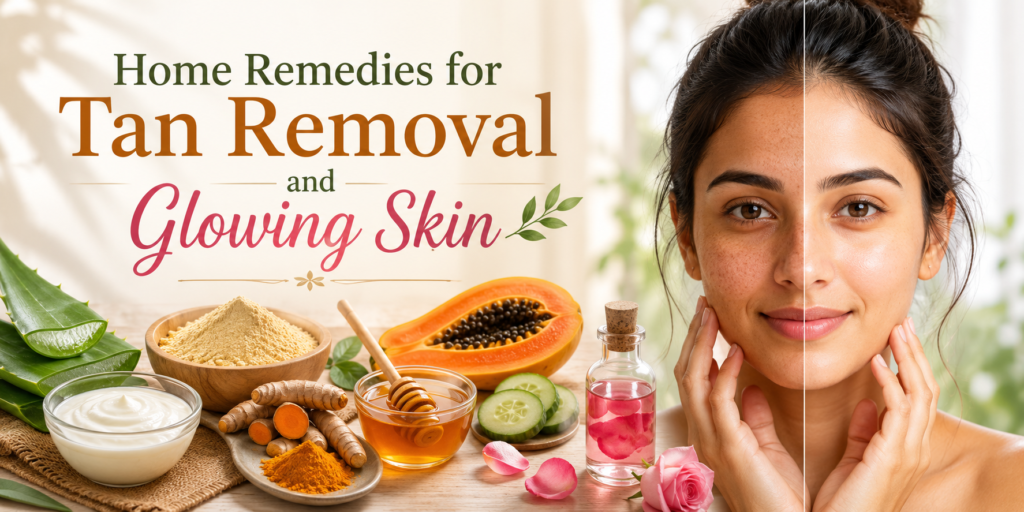
Tanning, dullness, and uneven skin tone are very common skin concerns, especially in India where sun exposure, pollution, heat, sweat, and dust affect the skin almost every day. Many people search for home remedies for tan removal and glowing skin because they want simple, natural, and affordable ways to improve their skin tone.
But here is the honest truth: home remedies can help with mild surface tanning, dullness, and dryness. They cannot magically remove deep pigmentation, melasma, old dark patches, or stubborn sun damage overnight. For real improvement, you need three things: safe skincare, daily sun protection, and the right guidance.
Devriz Healthcare helps people understand their skin concerns through online skin consultation, so they do not keep trying random remedies without knowing what their skin actually needs.
What Causes Skin Tanning and Dullness?
Skin tanning happens when your skin produces more melanin after sun exposure. Melanin is your skin’s natural pigment. When UV rays hit the skin, your body tries to protect itself by producing more pigment, which can make the skin look darker or uneven.
Common causes of tanning and dull skin include:
- Direct sun exposure
- Not using sunscreen daily
- Pollution and dust buildup
- Dead skin cells on the surface
- Dehydration
- Harsh skincare products
- Over-exfoliation
- Hormonal pigmentation
- Acne marks or post-inflammatory pigmentation
Sunscreen is not optional if you want to reduce tanning. Dermatology guidance generally recommends broad-spectrum sunscreen with SPF 30 or above for daily sun protection.
Can Home Remedies Really Remove Tan?
Yes, but only to a limit.
Tan removal home remedies may help when the tan is mild, fresh, and mostly on the surface. Ingredients like curd, aloe vera, cucumber, papaya, and gram flour can support hydration, gentle exfoliation, and a fresher appearance.
But home remedies cannot fully treat:
- Deep pigmentation
- Melasma
- Dark patches
- Sun spots
- Old acne marks
- Uneven skin tone caused by internal or hormonal factors
For pigmentation and dark spots, experts usually start with strict sun protection because sun exposure can worsen pigmentation and slow results.
So, use home remedies carefully, but do not depend on them blindly.
Best Home Remedies for Tan Removal and Glowing Skin
Before using any remedy, always do a patch test on a small area of your skin. If you feel burning, itching, redness, or irritation, stop using it.
1. Curd and Honey Face Pack
Curd and honey is one of the simplest home remedies for glowing skin. Curd helps soften the skin, while honey supports hydration. This pack can make dull and dry skin look fresh.
How to use:
Mix 1 tablespoon curd with 1 teaspoon honey. Apply it on the face for 10–15 minutes. Wash with normal water.
Use: 2–3 times a week.
Best for: Dry, dull, and mildly tanned skin.
Avoid this remedy if your skin is very acne-prone or if curd irritates your skin.
2. Aloe Vera Gel for Sun-Tanned Skin
Aloe vera is a good soothing ingredient for skin exposed to heat and sun. It can help calm the skin and reduce dryness.
How to use:
Apply fresh aloe vera gel or a clean, fragrance-free aloe gel on your face. Leave it for 15–20 minutes and wash it off, or apply a thin layer overnight if it suits your skin.
Use: Daily or 4–5 times a week.
Best for: Sensitive, sun-exposed, and irritated skin.
Aloe vera will not remove deep tan instantly, but it can support skin recovery and hydration.
3. Gram Flour, Curd, and Turmeric Pack
Gram flour, also called besan, is commonly used for mild exfoliation. When mixed with curd and a tiny pinch of turmeric, it can help remove dead skin buildup and make the skin look brighter.
How to use:
Mix 1 tablespoon besan, 1 tablespoon curd, and a very small pinch of turmeric. Apply for 10 minutes. Do not let it dry too hard. Wash gently.
Use: 1–2 times a week.
Best for: Oily or normal skin.
Do not scrub harshly. Harsh rubbing can damage the skin barrier and make pigmentation worse.
4. Cucumber and Rose Water Cooling Mask
If your skin feels heated, tired, or dull after sun exposure, cucumber and rose water can give a fresh cooling effect.
How to use:
Grate cucumber and mix it with 1 teaspoon rose water. Apply on the face for 15 minutes and rinse.
Use: 3–4 times a week.
Best for: Sensitive, dull, and tired-looking skin.
This is not a strong tan removal treatment, but it is useful for freshness and hydration.
5. Papaya and Honey Glow Mask
Papaya contains natural enzymes that may help with mild exfoliation. Honey adds moisture, making the skin look softer and more glowing.
How to use:
Mash 2–3 small pieces of ripe papaya and mix with 1 teaspoon honey. Apply for 10 minutes and rinse gently.
Use: Once a week.
Best for: Dull and rough skin.
Avoid using it if you have active acne, cuts, or very sensitive skin.
6. Oatmeal and Milk Gentle Scrub
Oatmeal is a better option than harsh scrubs because it is softer on the skin. It can help remove dead skin without being too rough.
How to use:
Mix powdered oatmeal with milk to form a soft paste. Massage very gently for 30 seconds and leave it for 5 minutes. Wash with water.
Use: Once a week.
Best for: Dry and rough skin.
Do not use this like a strong scrub. Gentle is enough.
7. Rice Water for Fresh-Looking Skin
Rice water is a popular home remedy for smooth and fresh-looking skin. It may help the skin feel soft and hydrated.
How to use:
Soak clean rice in water for 30 minutes. Strain the water and apply it with cotton. Leave for 10 minutes and wash.
Use: 2–3 times a week.
Best for: Dull and tired skin.
Rice water can support glow, but it is not a medical treatment for pigmentation.
Home Remedies You Should Avoid
Not every “natural” remedy is safe. Some can damage your skin badly.
Avoid these:
- Direct lemon juice on face
- Baking soda
- Toothpaste
- Harsh sugar scrubs
- Bleach creams
- Strong DIY chemical mixes
- Daily exfoliation
- Rubbing tomato or lemon aggressively
Lemon juice is acidic and can irritate the skin, especially when used before sun exposure. Baking soda can disturb the skin’s natural barrier. Harsh scrubs can create micro-tears and worsen dark spots.
This is where people make the biggest mistake: they try to remove tan fast and end up damaging their skin more.
Daily Skincare Routine for Tan Removal and Glow
Home remedies alone are not enough. If you want natural tan removal and glowing skin, follow a simple skincare routine.
Morning Routine
- Use a gentle cleanser
- Apply a hydrating serum or light moisturizer
- Apply broad-spectrum sunscreen SPF 30 or above
- Reapply sunscreen if you are outdoors, sweating, or exposed to sunlight for long hours
The NHS also advises choosing sunscreen with SPF 30 or higher and good UVA protection.
Night Routine
- Cleanse your face properly
- Apply moisturizer
- Use dermatologist-recommended active ingredients only if suitable for your skin
- Avoid random fairness creams or harsh treatments
For glowing skin, consistency matters more than using too many products.
Foods That Support Glowing Skin Naturally
Skincare is not only about what you apply on your face. Your diet also affects your skin health.
Add these to your routine:
- Water
- Coconut water
- Citrus fruits
- Green vegetables
- Protein-rich foods
- Nuts and seeds
- Seasonal fruits
- Curd or probiotic foods if suitable
Reduce:
- Excess sugar
- Fried food
- Too much junk food
- Sugary drinks
- Late-night eating
Food will not remove tan directly, but a better diet supports healthier-looking skin.
When Home Remedies Are Not Enough
You should consider an online skin consultation if you have:
- Tan that does not improve after 3–4 weeks
- Dark patches on cheeks, forehead, or upper lip
- Uneven skin tone
- Melasma-like pigmentation
- Acne marks
- Burning or irritation after remedies
- Skin that gets darker even after using sunscreen
- Pigmentation after pimples or rashes
Melasma and hyperpigmentation are not the same as normal tanning. They often need proper diagnosis and treatment guidance. Melasma treatment commonly begins with sun protection and dermatologist-guided topical care.
How Devriz Healthcare Can Help
Devriz Healthcare offers online skin consultation for concerns like tanning, pigmentation, dull skin, dark spots, acne marks, melasma, and uneven skin tone.
Instead of trying random remedies or buying products based on ads, you can share your skin concern and get doctor-guided advice. This helps you understand whether your concern is simple tanning, pigmentation, melasma, acne marks, or skin barrier damage.
With Devriz Healthcare, the focus is on personalized skincare guidance, not one-size-fits-all treatment.
If your tan is mild, home remedies and sunscreen may help. But if your skin has stubborn patches or pigmentation, expert advice is the smarter option.
FAQs
1. Which home remedy is best for tan removal?
Curd and honey, aloe vera, cucumber, and gram flour packs are commonly used for mild tan and dullness. However, the best remedy depends on your skin type. Sensitive skin should avoid harsh ingredients and always do a patch test first.
2. Can tan be removed permanently?
Mild tan can fade with time, sunscreen, and proper skincare. But if you keep going out in the sun without protection, tanning can return. For long-term results, daily sunscreen is necessary.
3. How long does it take to remove tan naturally?
Mild tan may start improving in a few weeks with consistent care. Stubborn tanning, pigmentation, or melasma can take longer and may need dermatologist-guided treatment.
4. Is lemon good for tan removal?
No, direct lemon juice is not recommended for the face. It can irritate the skin, cause burning, and make the skin more sensitive to sunlight. Use safer options like aloe vera, curd, or cucumber.
5. Can sunscreen prevent tanning?
Sunscreen helps reduce UV damage and lowers the chances of tanning, sunburn, and pigmentation. For better protection, use broad-spectrum SPF 30 or above and reapply when needed.
6. When should I consult a dermatologist for tanning?
You should consult a dermatologist if your tan is stubborn, patchy, painful, or mixed with dark spots, melasma, acne marks, or irritation. You can also choose Devriz Healthcare’s online skin consultation for expert-guided advice from home.
Conclusion
Home remedies for tan removal and glowing skin can help when your concern is mild tanning, dullness, or dryness. Ingredients like curd, honey, aloe vera, cucumber, papaya, oatmeal, and rice water can support smoother and fresher-looking skin.
But do not expect overnight fairness or permanent tan removal from home remedies. Real skin improvement needs daily sunscreen, gentle skincare, hydration, patience, and the right expert guidance.
If your tanning looks stubborn, patchy, or mixed with pigmentation, book an online skin consultation with Devriz Healthcare and understand what your skin actually needs before trying random treatments.