What Is Skin Pigmentation? Causes and Care Guide
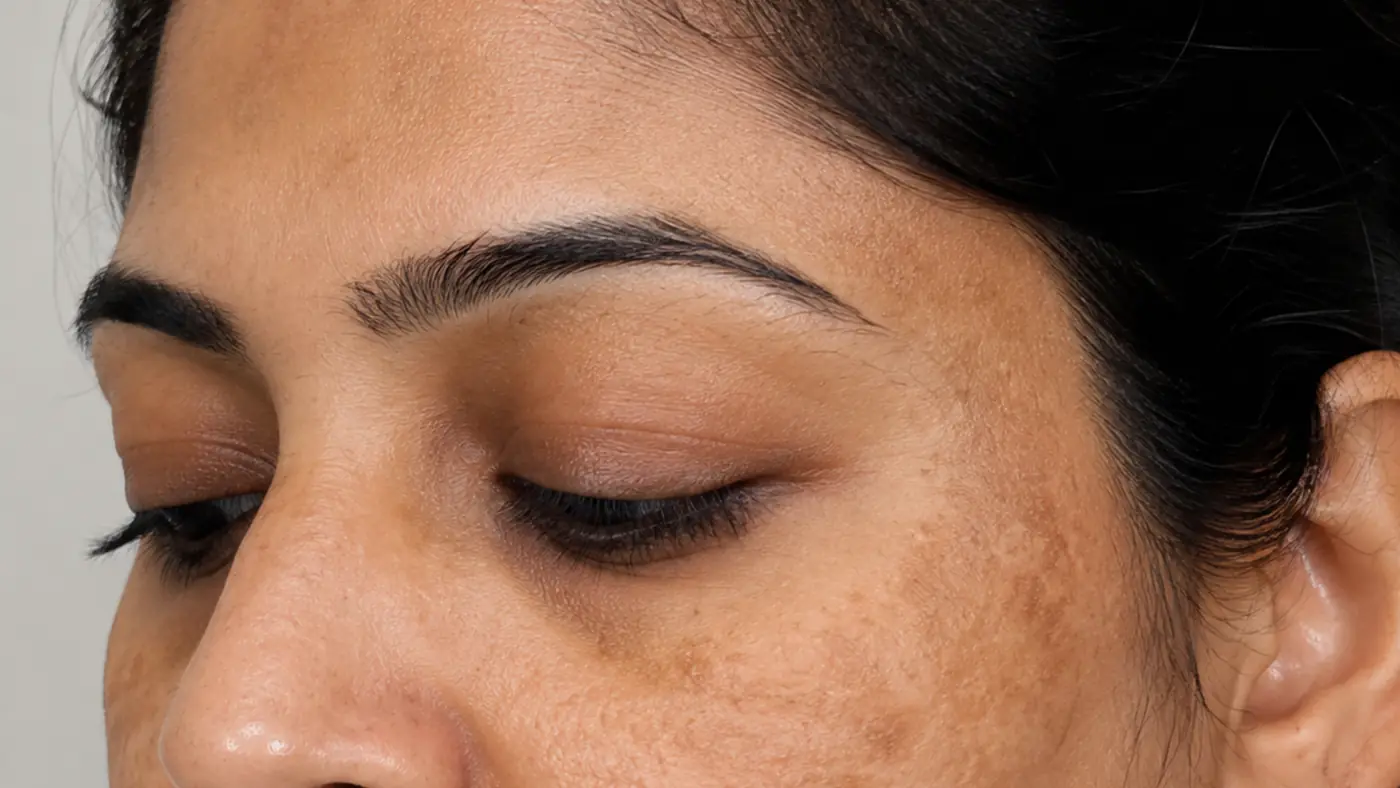
Pigmentation is the most common concern we hear about, and also the most misunderstood. People arrive having tried six creams that promised to make "dark spots vanish", frustrated that nothing held.
The reason is almost always the same: pigmentation is not one condition. It is a category. Treating the wrong type is why the creams did not work.
What pigmentation actually is
Your skin contains cells that produce melanin, the pigment that gives skin its colour. When those cells are triggered — by sunlight, inflammation, hormones or injury — they produce extra melanin in that area.
The result is a patch that is darker than the skin around it. That is all pigmentation is: melanin that has been overproduced somewhere specific.
Indian and South Asian skin produces melanin readily. That is genuine protection against sun damage, but it also means our skin marks more easily and holds those marks longer.
The four types you are most likely to have
Sun tan. The most common and the most reversible. Sunlight triggers melanin as a defence. It usually affects the face, neck, forearms and any area regularly exposed, and it fades over time once exposure is controlled.
Post-inflammatory hyperpigmentation. The dark mark left behind after a pimple, cut, insect bite or rash heals. This is not a scar — the skin texture is normal, only the colour is off. It fades, but slowly, and picking at the original spot makes it darker and longer-lasting.
Melasma. Symmetrical brown or greyish patches, usually across the cheeks, upper lip, forehead or bridge of the nose. It is strongly linked to hormones — pregnancy, oral contraceptives, thyroid changes — and made worse by sun and heat. Melasma is the type most likely to be mistaken for ordinary tanning and treated far too aggressively as a result.
Age and sun spots. Small, well-defined dark spots on areas with years of accumulated sun exposure. They tend to appear from the thirties onward.
What makes pigmentation worse
- Sun, every single day. This is the largest factor by a wide margin, and it applies on cloudy days, indoors near windows, and in winter.
- Heat. Cooking over a stove, long commutes and hot environments can worsen melasma even without direct sunlight.
- Inflammation. Every pimple you pick, every harsh scrub, every irritating product leaves the door open for a new dark mark.
- Hormonal changes. Pregnancy, contraceptives and thyroid conditions can all trigger melasma.
- Aggressive DIY treatments. Lemon juice, baking soda and undiluted essential oils are widely recommended online and reliably make pigmentation worse by irritating the skin.
What genuinely helps
Daily sun protection. Nothing else on this list works properly without it. Applying sunscreen every morning and reapplying through the day is the single highest-impact habit for any type of pigmentation. Treating pigmentation without sun protection is filling a bucket with a hole in it.
Identifying the type before treating. Melasma and post-inflammatory marks respond to different approaches. Strong treatments that suit sun spots can aggravate melasma badly.
Consistency over intensity. Gentle, correct ingredients applied daily for months outperform strong ones used in bursts.
Patience with a realistic timeline. Surface tanning may improve in weeks. Post-inflammatory marks often take two to three months. Melasma is managed rather than cured, and needs ongoing care.
Protecting your skin barrier. Irritated skin pigments more. A calm routine is a treatment in itself.
When to get it looked at
Pigmentation is worth having identified properly if the patches are symmetrical across both cheeks, if they appeared during pregnancy or after starting a new medication, if they have not moved at all after two to three months of consistent care, or if they are getting darker despite treatment.
Knowing which of the four types you have changes what you should be using entirely. It is the step most people skip, and it is the one that decides whether the next six months of effort pay off.