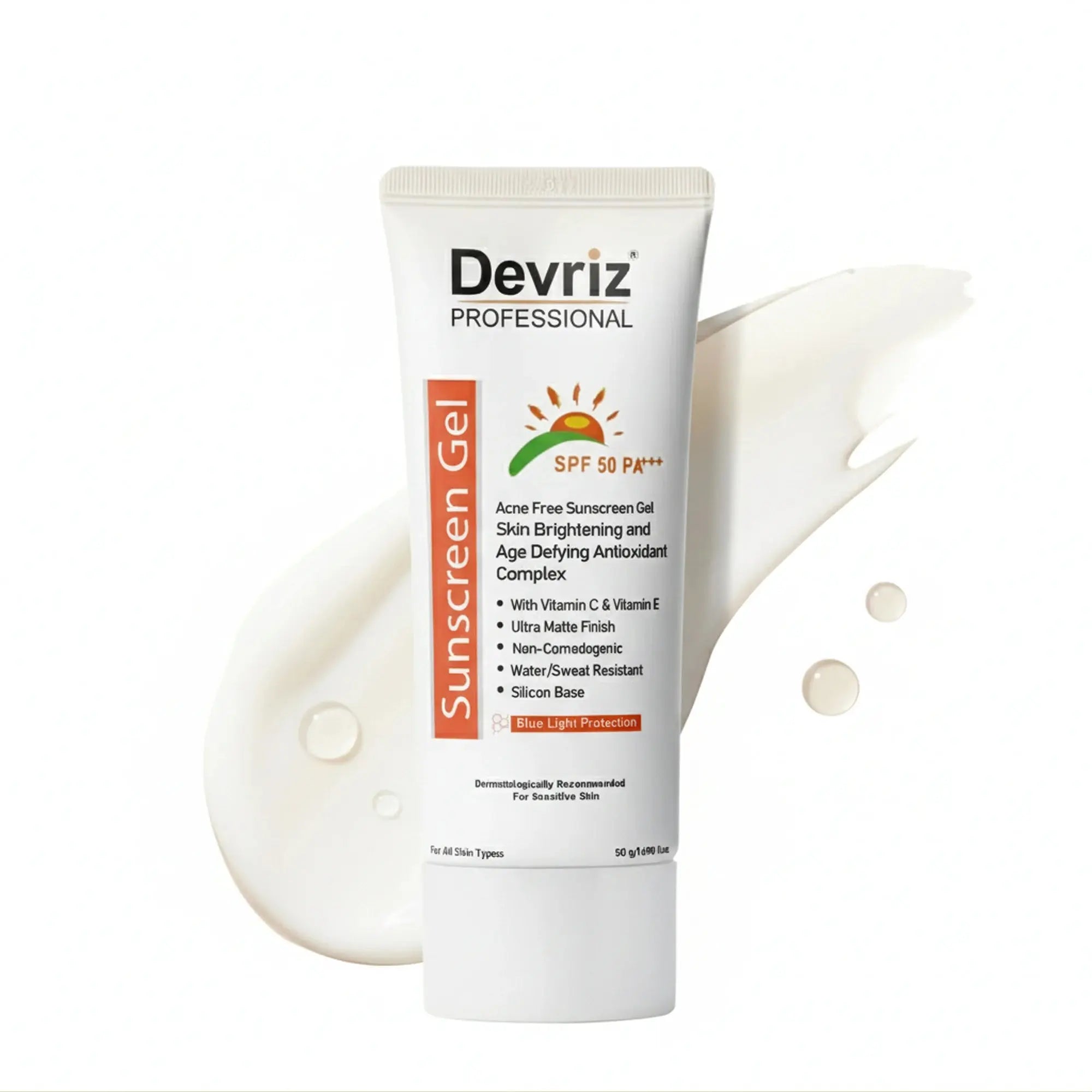

Struggling to find the best cream for pigmentation on face that truly works? Uneven skin tone and dark spots can be stubborn and frustrating, impacting your confidence and the glow of your complexion. Fortunately, there are effective creams formulated specifically to target pigmentation and restore a more even, radiant skin tone. This article breaks down some of the top pigmentation creams available, explaining their key ingredients, pricing, and how they work to reduce pigmentation and dark spots, so you can pick the best pigmentation product tailored to your skin needs.
Top Rated Best Cream For Pigmentation on Face
What Makes a Cream Effective for Pigmentation Removal?
When choosing the best cream for pigmentation on face, it’s essential to understand the ingredients known for cream pigmentation removal. Effective creams often combine active components that inhibit melanin production, promote skin cell turnover, and provide hydration without irritating the skin.
Common effective ingredients include:
- Niacinamide – reduces pigment transfer and soothes skin.
- Vitamin C – powerful antioxidant that brightens skin and controls melanin.
- Alpha Hydroxy Acids (AHAs) – exfoliate dead skin cells to reveal fresher skin underneath.
- Retinol – accelerates skin renewal to fade stubborn dark spots.
- Tranexamic Acid – helps with hormonal pigmentation and melasma.
A cream to reduce pigmentation is most effective when used consistently along with sun protection. Many of the best cream for pigmentation and dark spots on the market balance these actives with moisturizers to maintain healthy skin barriers.
Understanding Formulations: How These Creams Target Pigmentation
The Role of Active Ingredients
The effectiveness of the best cream for skin pigmentation lies in how its ingredients work together. For example, vitamin C prevents melanin synthesis and neutralizes free radicals, while AHAs encourage exfoliation to fade pigmented cells. Niacinamide helps not only with pigmentation but also strengthens the skin barrier, reducing inflammation and irritation.
Retinoids, like retinol, increase skin cell turnover, helping fade dark pigmentation gradually. Tranexamic acid is more targeted toward stubborn hormonal pigmentation and melasma.
Balancing Strength and Tolerance
Choosing a cream for dark spots and pigmentation that matches your skin's sensitivity is critical. Strong retinol creams may cause dryness and irritation, so those with sensitive skin might benefit more from products rich in niacinamide and antioxidants. Many lines now offer formulas with a mix of gentle exfoliants and brighteners that can be used daily without irritation.
Price Points and Accessibility of the Best Cream for Pigmentation on Face
Budget-Friendly Options
If you’re looking for best cream for pigmentation with price considerations, budget-friendly options like the Neutrogena Rapid Tone Repair or The Ordinary's Vitamin C Suspension offer effective results without breaking the bank. These creams typically cost under $30 and include potent ingredients for pigmentation reduction.
How to Use Creams for Pigmentation: Maximizing Results
Daily Application Tips
For best effect, apply the best cream for pigmentation on face twice daily after cleansing and toning. Always follow with a high SPF during the day because sun exposure can worsen pigmentation or cause new spots.
- Cleanse thoroughly but gently.
- Apply a targeted face cream for pigmentation and dark spots.
- Use sunscreen with at least SPF 30 every morning.
- Avoid harsh scrubbing which can irritate and exacerbate pigmentation.
Combining with Other Treatments
Some users benefit from layering serums containing vitamin C or niacinamide beneath their pigmentation cream. However, it’s important to introduce these slowly to reduce irritation risk. If using retinol creams, start with lower concentration formulas and use them at night only.

Who Should Consider Prescription or Professional Treatments?
When Over-the-Counter Creams Aren't Enough
While many cream pigmentation removal products deliver excellent results, some stubborn cases of pigmentation, such as melasma or deep-set dark spots, may require professional intervention. Prescription creams with hydroquinone or treatments like chemical peels and laser therapy may be advised by dermatologists.
Consulting with a Dermatologist
If you notice persistent or worsening pigmentation, or irritation from products, it’s crucial to seek advice from a skincare expert. A dermatologist can prescribe stronger cream for pigmentation treatment or recommend in-office procedures tailored to your skin type and pigmentation type.
Summary
Choosing the best cream for pigmentation on face means understanding your skin type, pigmentation severity, and ingredient strengths. Whether you opt for a good cream for pigmentation with niacinamide and vitamin C or a stronger retinol-based formula, consistent use alongside sun protection is key. Pricing spans from budget-friendly to premium options, ensuring effective solutions for every skin concern and budget. For stubborn pigmentation, professional consultation may enhance your results. Explore our recommended creams and customize your skincare to reveal a glowing, even complexion.
Ready to start your journey to a more radiant and even skin tone? Discover the best cream for pigmentation on face and give your skin the rejuvenation it deserves today.